If you’ve followed cycling industry news lately, you’ve probably noticed that Eurobike has been spending almost as much time in headlines as some bike brands themselves.
There’s been plenty of discussion around shrinking exhibitor lists, changing market dynamics, shifting priorities, and the general question floating around the industry parking lot:
Does Eurobike still matter?
Honestly, I think it does. Maybe now more than ever.
Because while the bike industry is no longer surfing the pandemic-era “sell everything with two wheels” wave, Eurobike still remains one of the few places where you can actually see where cycling and especially family-relevant products within the cycling world are heading next. And as a cycling dad, that’s the part I care about most.

Eurobike’s new timing could actually make sense
One of the more interesting long-term changes for Eurobike is the planned move to a later date starting in 2027.
Traditionally, Eurobike landed right in the middle of riding season. Which always felt slightly odd. Dealers were busy. Brands were often still finalizing products. And most parents were more focused on surviving summer vacation logistics than thinking about next season’s drivetrain standards.
Moving the show later in the year could actually work in Eurobike’s favor.
By then, brands are much closer to finalized products, retailers are already planning ahead for the next season, and conversations become a little more grounded in reality — and a little less “here’s a prototype hidden under a black towel.”
Some of the most interesting family cycling ideas still show up here first
One thing that often gets overlooked in the “Is Eurobike dead?” discussion is this:
For families, parents, and everyday riders, some of the most practical and genuinely innovative products still debut at shows like Eurobike.Even during my relatively short visit in 2025, there were several products and concepts that immediately stood out.
Things like the clever Kommit towing system, which turns “I’m tired!” into a manageable situation instead of a full-on family ride negotiation. Or the Seek kids’ road bike launch from Giant — a sign that major brands are finally taking young riders more seriously instead of treating kids’ bikes like colorful afterthoughts with coaster brakes from 1997.
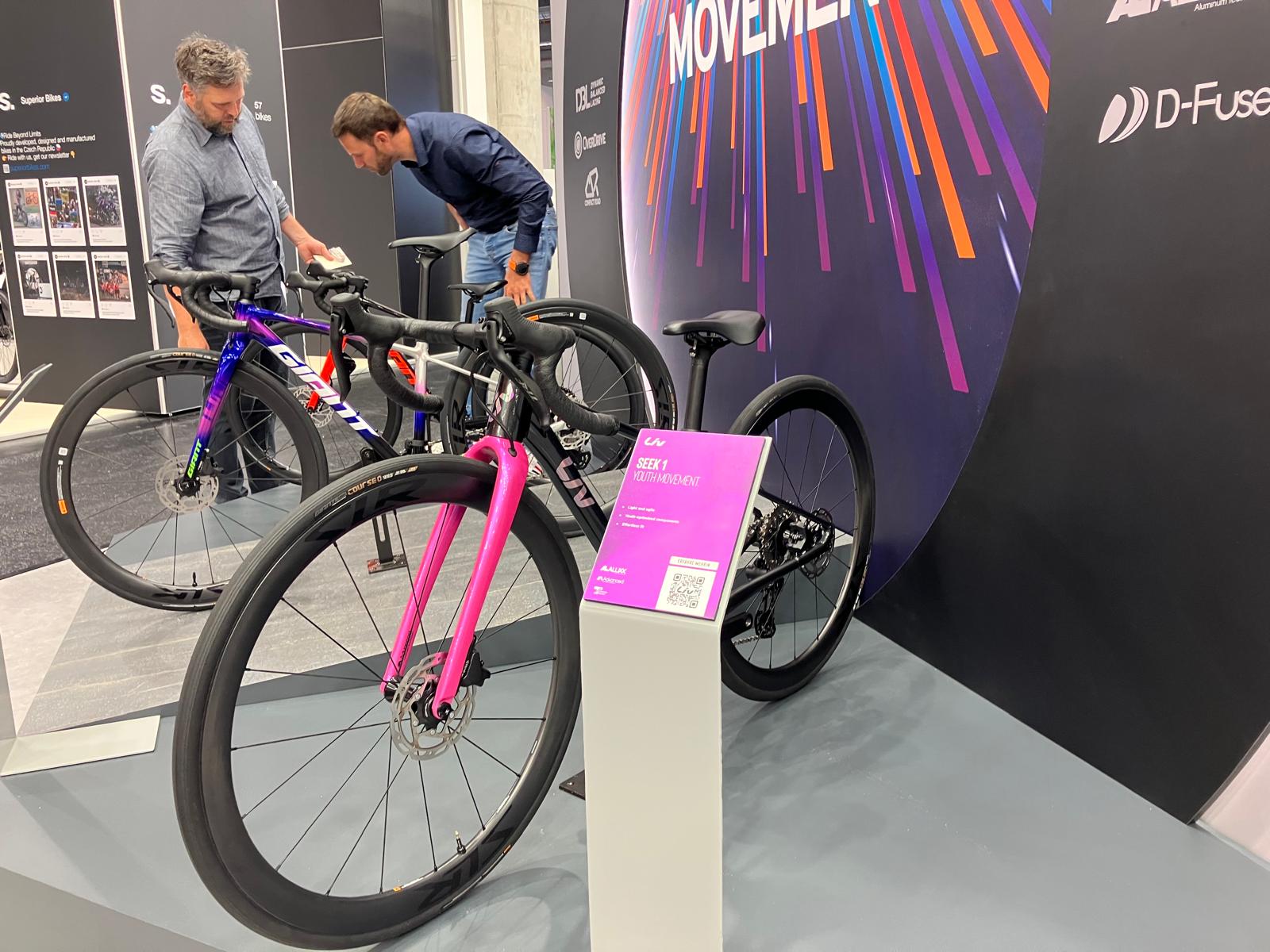
Giant Seek: Finally a new road racing bike for kids!
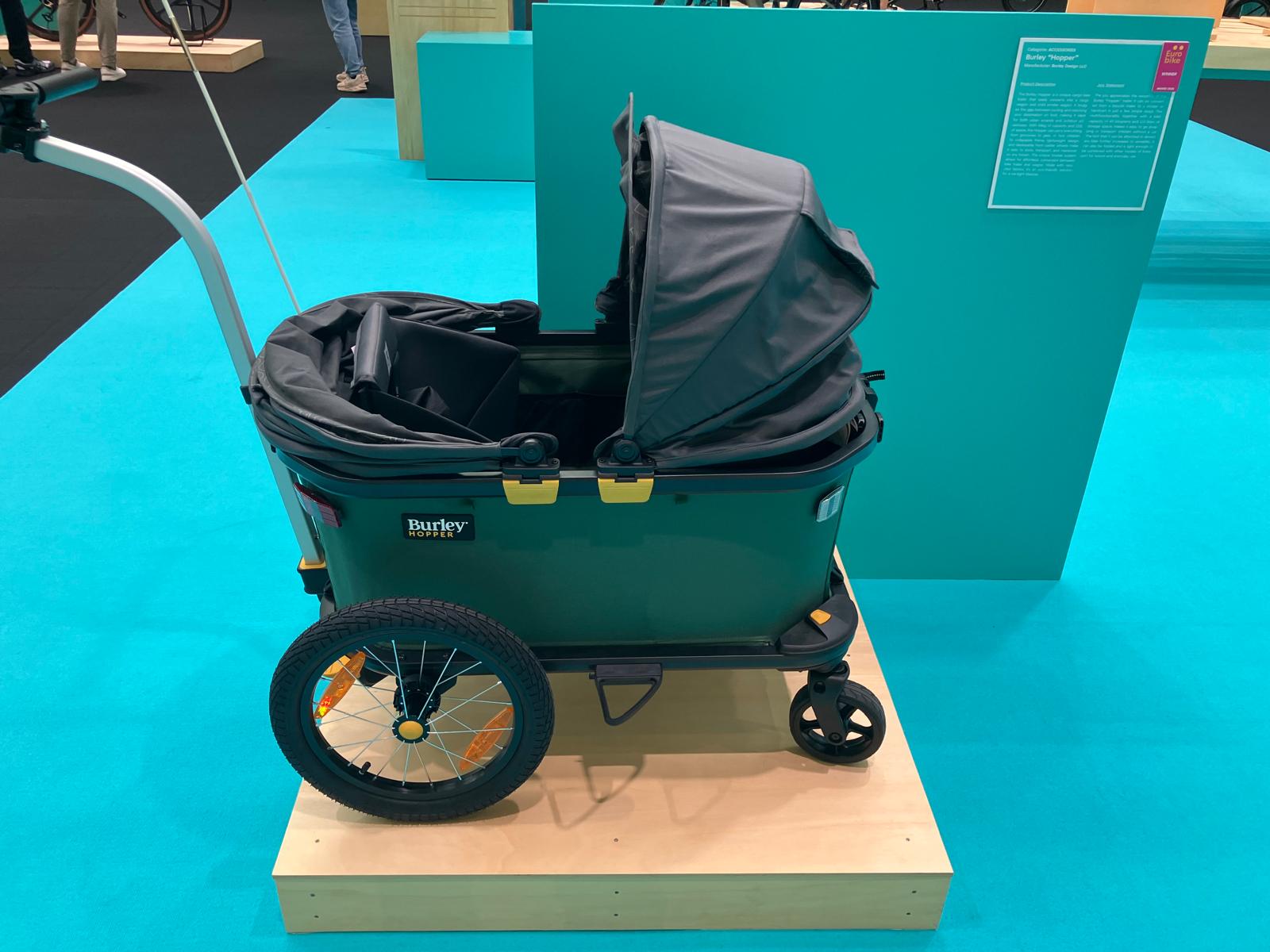
The Burley Hopper is a one-fits-many trailer with incredible storing capacity.
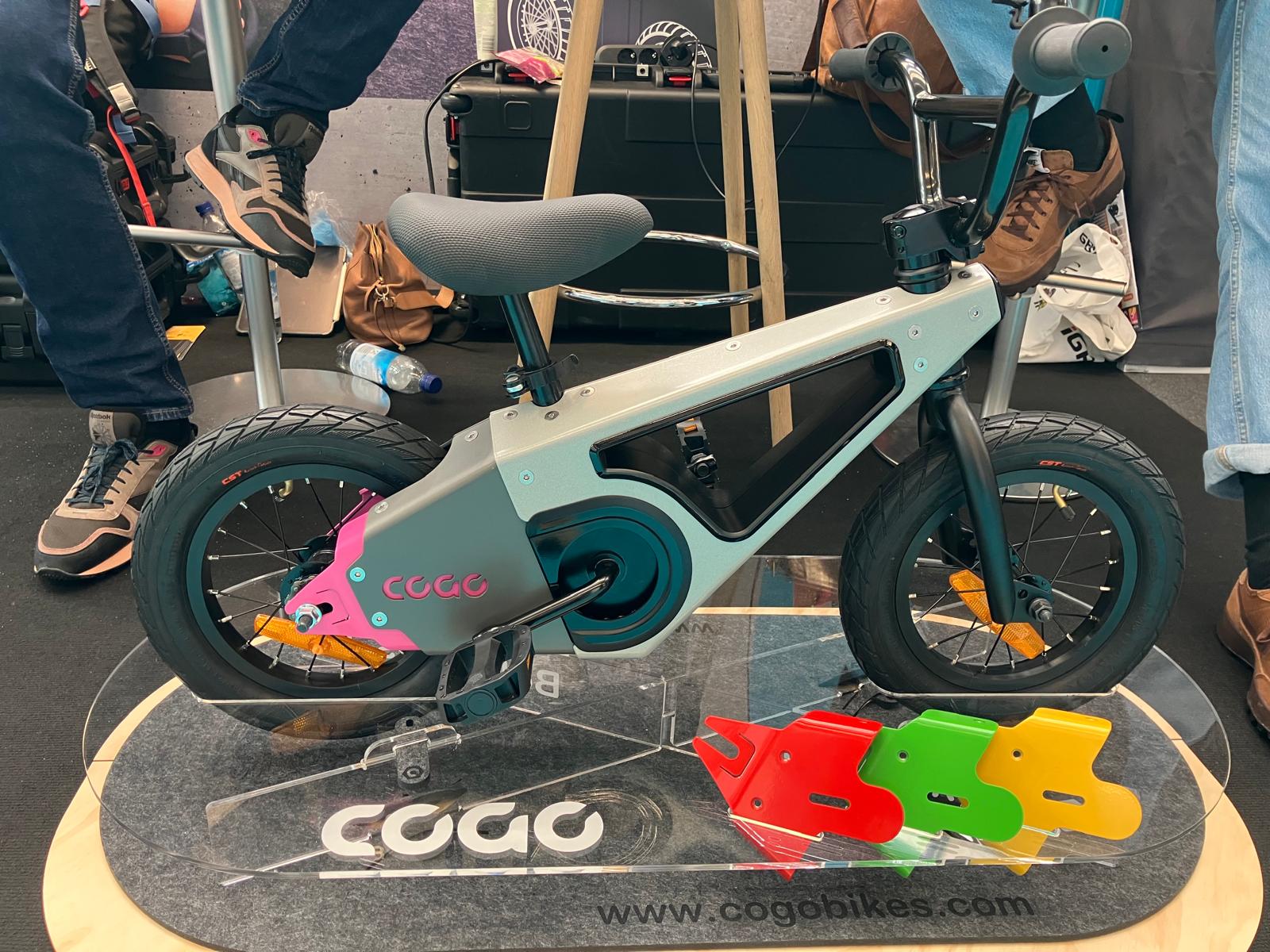
Getting kids in the loop even before the start of your ride: Cogo Bolt Bikes presented a kids bike that can be assembled by the young riders themselves.
Then there was the Burley Hopper, which deservedly picked up a Eurobike Award in 2025. A compact cargo trailer/backpack hybrid that feels very much designed by people who have actually tried carrying groceries, kid gear, and random playground treasures all at the same time.
And beyond the flashy launches, Eurobike still gathers the brands that have shaped family mobility for years — trailer specialists, transport solutions, kid-focused mobility companies, and increasingly smart crossover concepts between sports, commuting, and daily life. That ecosystem still matters.
Especially because Eurobike still offers something many trade shows struggle with: a meaningful combination of industry-focused days and consumer-focused access.
For brands and retailers, the show remains an important meeting point. But for riders and families, the massive outdoor demo area right next to the exhibition halls is still one of the biggest attractions of the entire event.
Because no press release in the world can fully replace the sentence:
“Okay… but how does this thing actually feel with two kids and a backpack full of snacks?”
What I’m most curious about at Eurobike 2026
For 2026, I’m less interested in marginal aero gains or yet another slightly lighter electronic derailleur.
What I’m really curious about are practical, modular solutions for everyday family mobility. Not necessarily products that fit neatly into existing categories — but products that start breaking those categories apart.
One shiny example is the relatively new brand Convoy and their modular e-trailer concept. That kind of thinking feels particularly interesting right now. Instead of forcing families into one fixed solution, modular systems allow people to adapt setups depending on whether the mission is daycare duty, grocery runs, sports equipment transport, weekend adventures, or all three simultaneously before 9 AM.
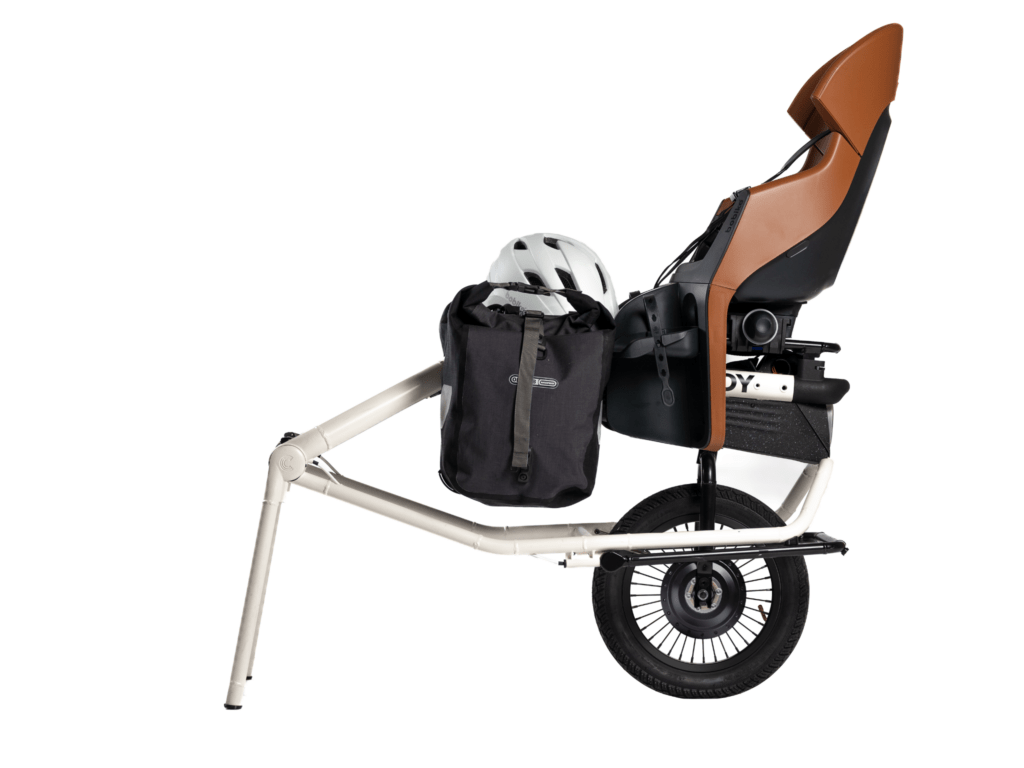
Because if there’s one thing parents understand deeply, it’s this: The future of mobility probably isn’t about owning five perfectly optimized vehicles. It’s about adaptable systems that can do multiple jobs reasonably well.
And I think that’s exactly where Eurobike can still be genuinely relevant. Not just as a trade show for the industry itself, but as a place where practical ideas for everyday cycling life become visible for the first time.