Eurobike 2026: Smaller? Yes. Less relevant? Not if you’re a cycling family.
If you followed this year’s Eurobike coverage, you probably noticed a recurring theme: Fewer exhibitors. Fewer of the big European brands. More discussions about the show’s future than about the products on display.
And yes—those observations are perfectly fair. The halls were noticeably quieter than they used to be. Some of cycling’s biggest names stayed away, and nobody can deny that the industry is going through a serious reset after the boom years.
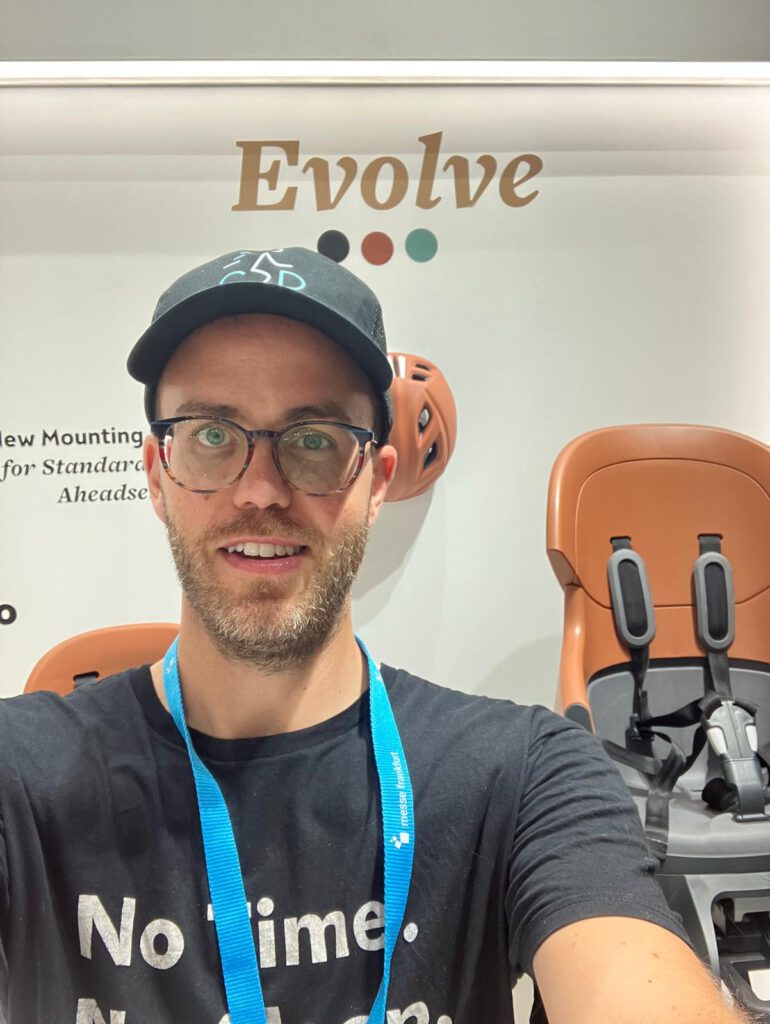
But here’s the funny thing: After spending two full days walking the halls, riding test bikes, chatting with founders, product managers and engineers—and occasionally wondering how I was ever going to fit everything into one visit—I never really had the feeling that there wasn’t enough to see. Quite the opposite. My list of products to revisit just kept getting longer. By the end of day two, I still had companies on my list that I simply hadn’t made it to.
That’s not exactly what I would call an irrelevant trade show.
Looking at the next generation of cyclists
Most conversations about Eurobike focus on exhibitor numbers, missing brands or market shares. Those are valid discussions. But I kept asking myself a slightly different question. If Eurobike wants to remain relevant, shouldn’t it also be a place that reflects the future of cycling?
And that future doesn’t only consist of lighter drivetrains or another five watts of aerodynamic gains. It also consists of today’s kids becoming tomorrow’s cyclists. Of parents trying to replace more short car trips with bikes. Of families figuring out how to transport children, backpacks, football gear, groceries and—because life likes to keep things interesting—all of that at the same time.
That’s exactly the part of Eurobike that felt remarkably healthy. Not because every product was revolutionary. Quite the opposite. Most companies weren’t trying to reinvent the wheel. They were simply making family cycling a little easier, a little safer and a little more practical. Honestly, that’s often the kind of innovation parents appreciate most.
Family cycling has become an ecosystem
One company that perfectly illustrated this was the Portuguese manufacturer Polisport.
Rather than showcasing one headline product, they presented what has become a remarkably complete family mobility ecosystem.
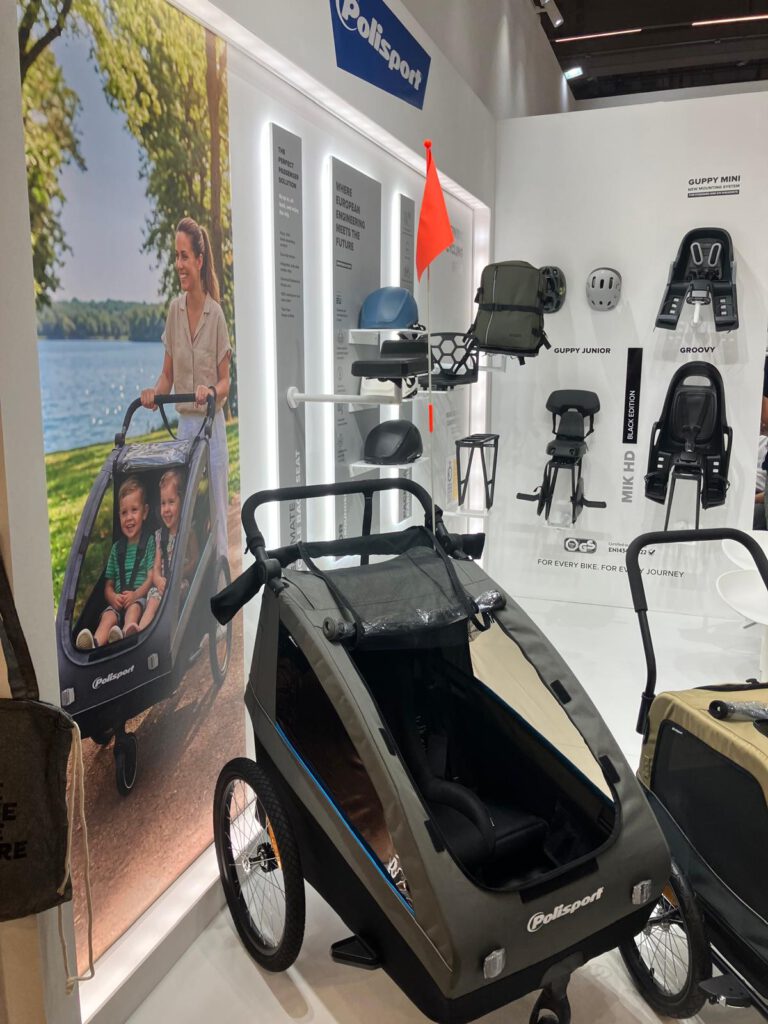
Through Bobike, they cover children from roughly six months of age all the way to riders weighing up to 35 kilograms with child seats and helmets. Add their brand-new bike trailer, plus Catlike‘s performance helmets and shoes, and you’ve got almost everything a cycling family needs—apart from the bikes themselves and the clothing to go with them. It’s the kind of product portfolio that quietly grows with your family instead of forcing you to start from scratch every few years.
A completely different but equally exciting approach came from the French company Galian. Their “Cargo Tail” concept combines the practicality of a cargo bike with the handling of a longtail. The promise is bold: the cargo bike that replaces your car.
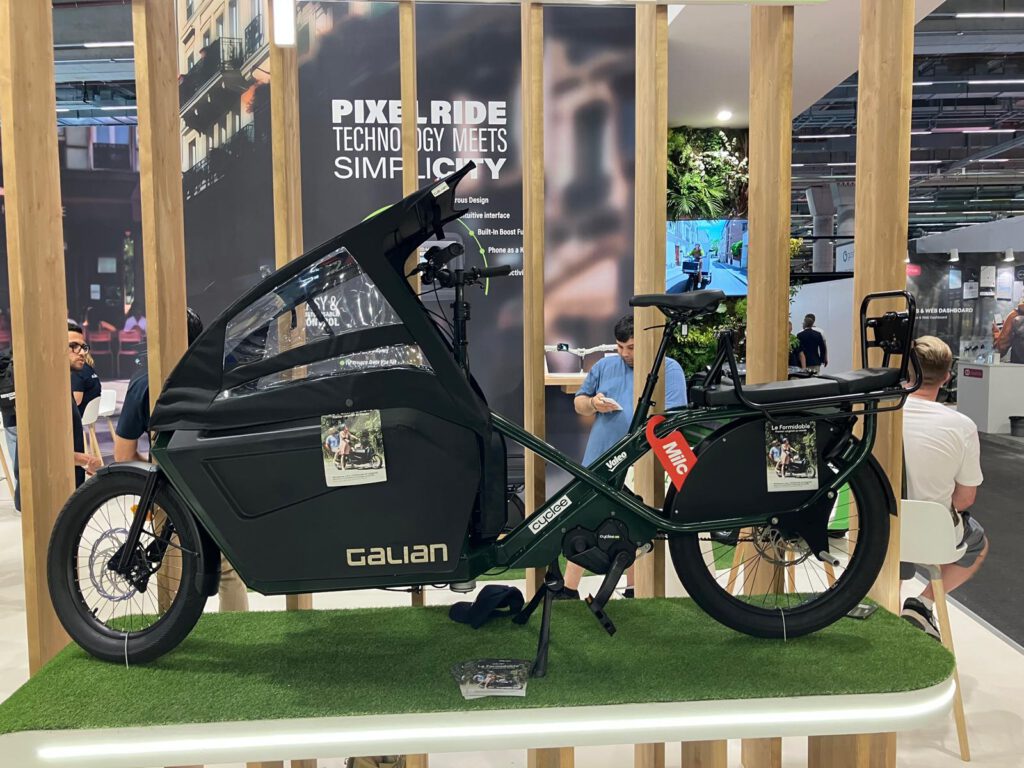
After a short ride around Eurobike’s outdoor demo track, I can at least say the concept deserves a closer look. The powerful Valeo drive delivers noticeably more punch when accelerating than many familiar mid-drive systems—exactly the kind of thing you appreciate when there’s a child behind you and a week’s worth of groceries on board in front. Safe to say this one has already secured itself a spot on my future review list.
Germany was well represented, too.
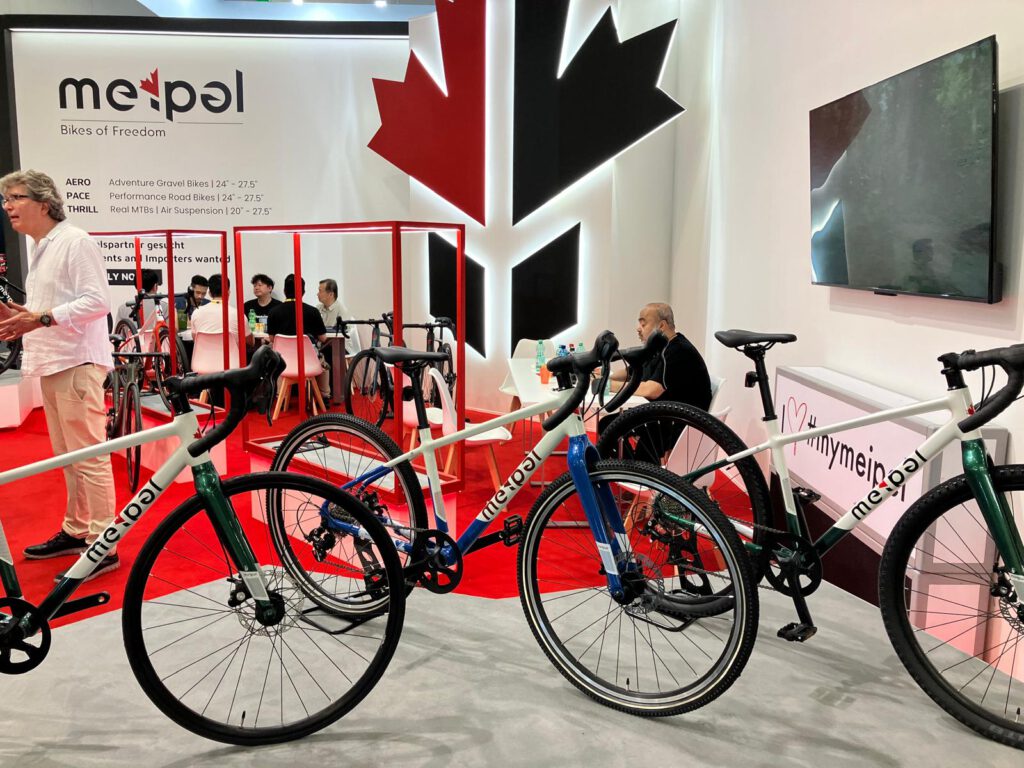
Meipel Bikes impressed with a range that makes sporty cycling far more accessible for younger riders. Whether it’s city bikes, mountain bikes with suspension or gravel bikes, the company offers children more than just “kids’ bikes”—it offers real bikes scaled down for smaller riders. Their slogan, “Out of the kids’ room, into the adventure,” sums up the philosophy rather well. Add modern colors and designs that children actually want to ride, and it’s easy to see why the brand is gaining attention.
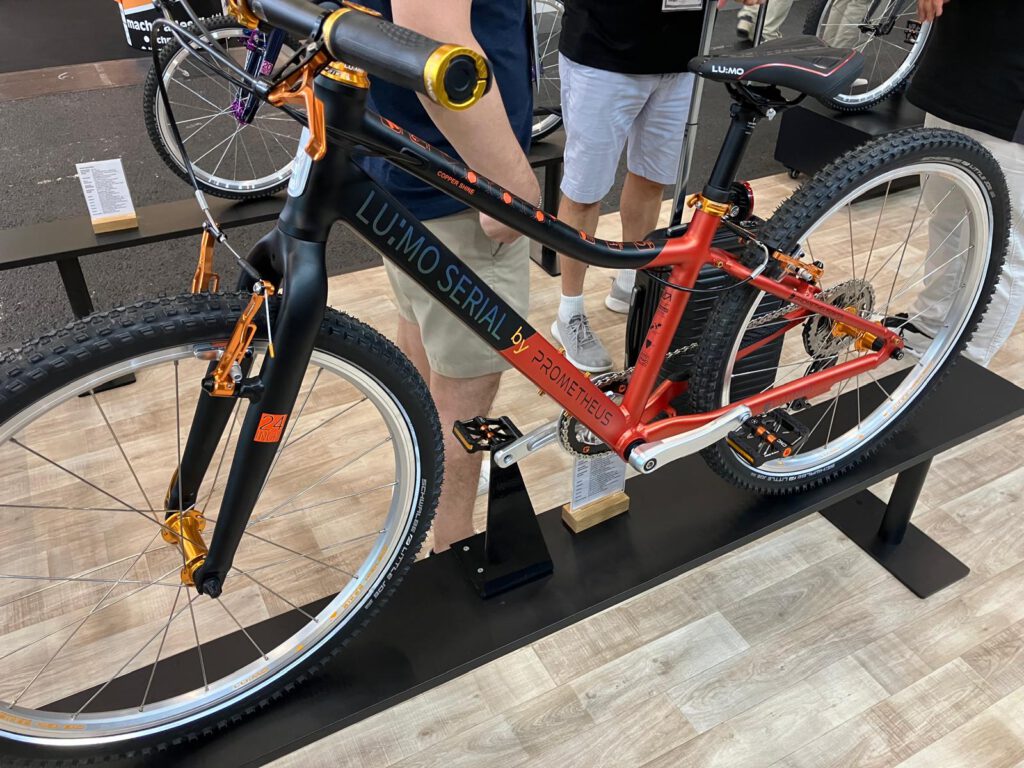
Another German manufacturer, Prometheus Bikes, proved that innovation doesn’t always need a touchscreen or an app. Their new LU:MO children’s bikes integrate the front light directly into the handlebar and the rear light into the seatpost. Add reflective graphics, reflective tires and thoughtfully designed details, and you’ve got a bike that dramatically improves visibility without asking kids—or parents—to remember detachable lights before every ride.
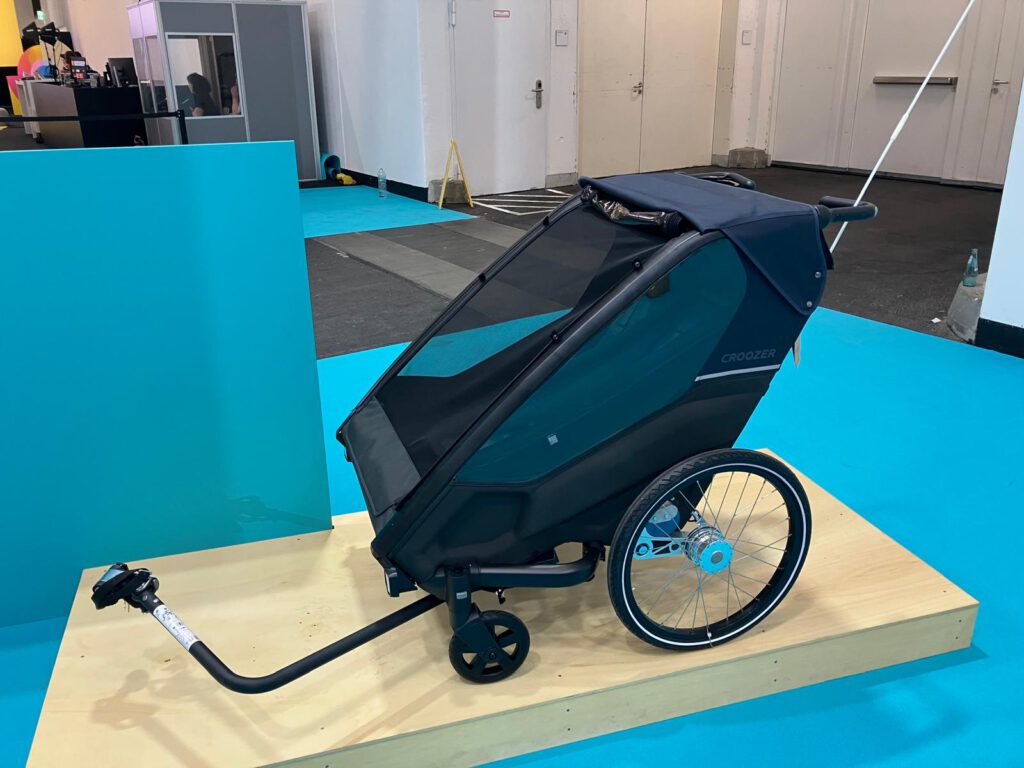
Another highlight came from German trailer specialist Croozer. Their new Lykke trailer folds down in seconds into an impressively compact package. It’s one of those mechanisms that’s so intuitive you almost find yourself asking, “Wait… why hasn’t everyone been doing it like this?” Sometimes the best engineering isn’t about making something more sophisticated (oftentimes meaning complicated). It’s about finding a solution that soon becomes a no brainer. Not surprisingly, Croozer has been awarded the Eurobike Gold Award for this unique product.
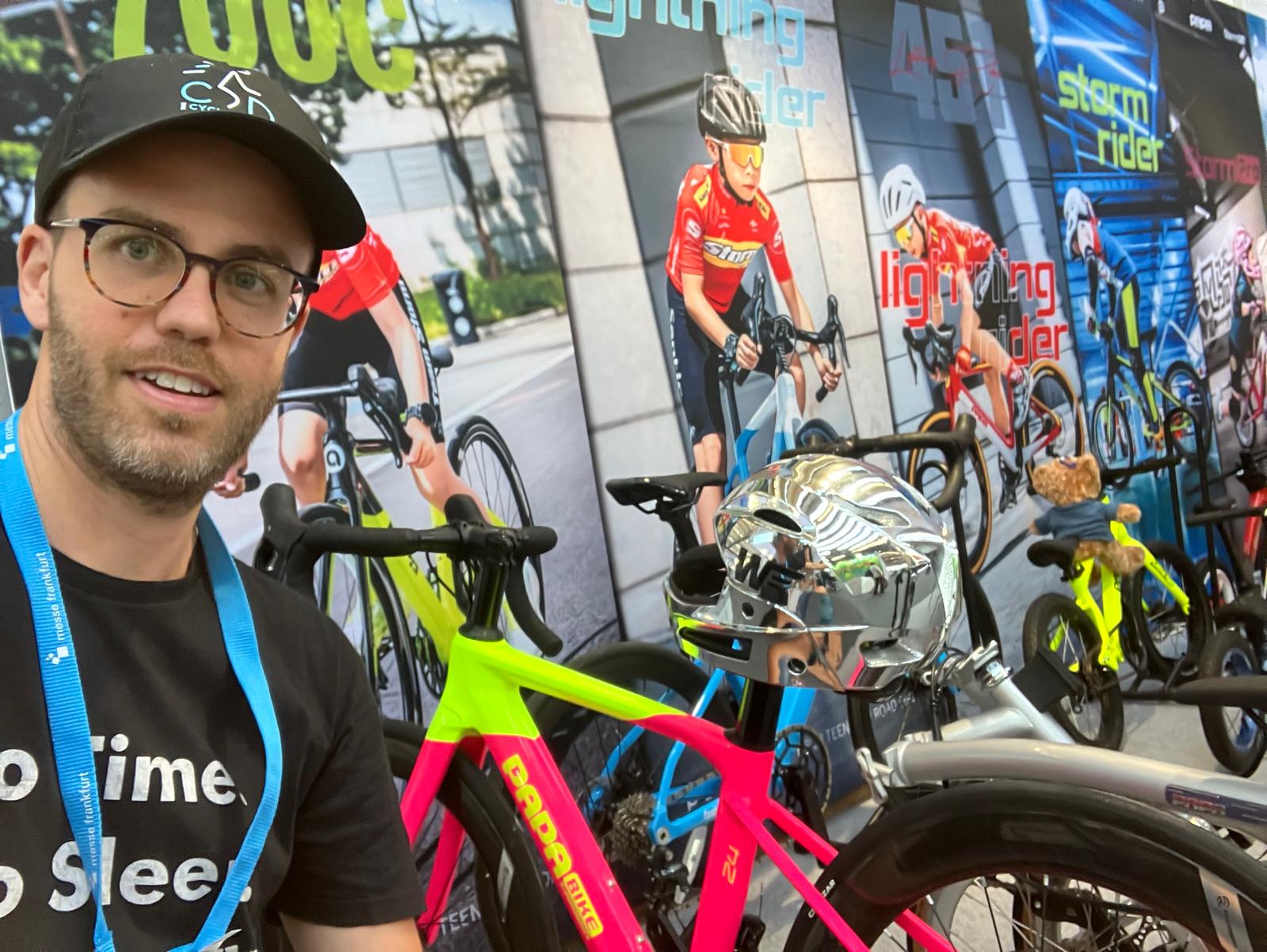
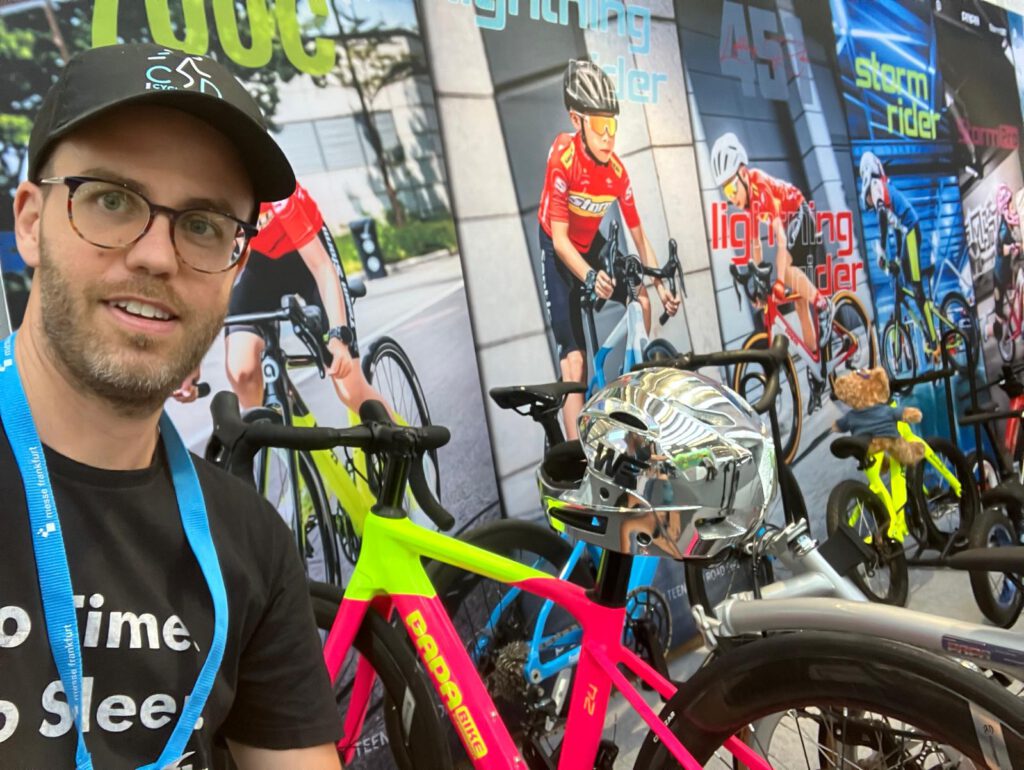
Then there was Papa Bikes from China. A rather unforeseen highlight of my trip to be honest. Their children’s aero road bikes, starting at 24-inch wheel size, looked like miniature versions of the aero machines racing in the Tour de France of the early 2010s. Add crazy farb schemes and solid Shimano components, they’re probably guaranteed to make a few young riders suddenly volunteer for the next family ride.
Small ideas can make a big difference
One of my favorite parts of Eurobike is still the Start-up Area. Not because every company will become the next big cycling brand. But because this is often where wonderfully simple ideas appear.
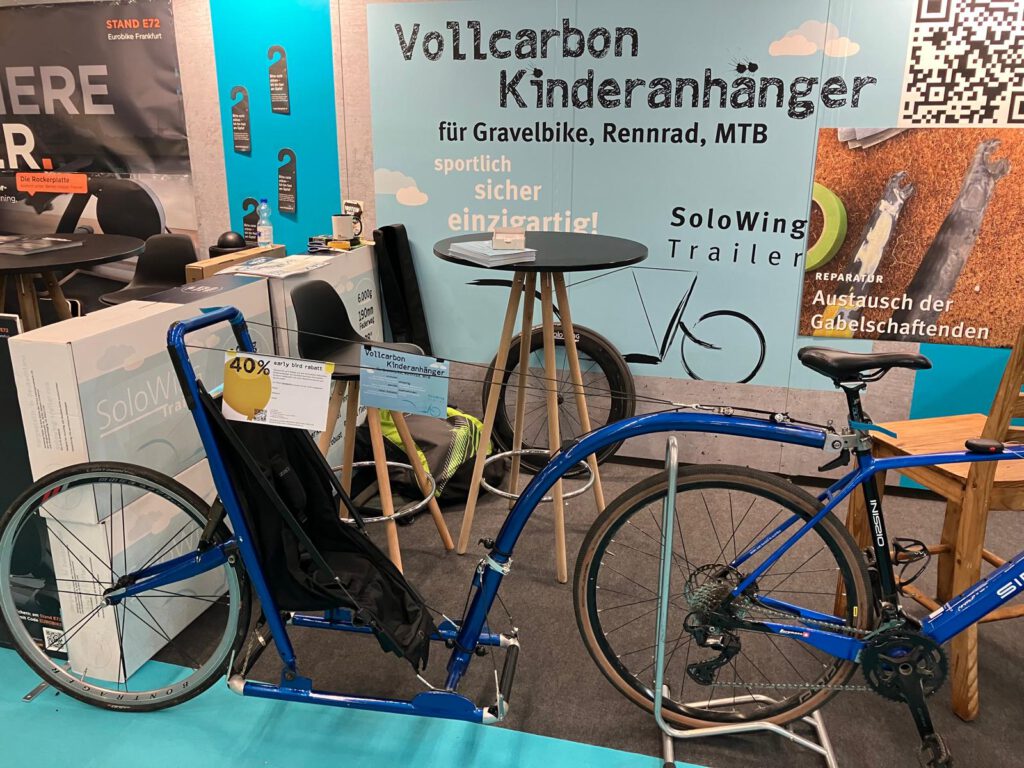
SoloWing Trailer, for example, presented an ultralight single-wheel trailer weighing around six kilograms. Still a prototype, but already an intriguing option for riders who want luggage capacity without turning their road or gravel bike into a freight train.
Another clever idea came from the German start-up Blinq. Their product is refreshingly simple: a highly visible turn indicator in ring shape, to fit neatly onto everyone’s hand thanks to different sizes. No fancyc sh**, but highly important for any commute.
Will it solve every safety challenge in urban traffic? Of course not. But if it helps drivers understand where a cyclist intends to go just a little earlier—and if its cool factor encourages more people to actually use it—that’s exactly the kind of practical innovation worth paying attention to.
And these are only a handful of examples from two very full days at Eurobike.
The bigger picture
Looking back, what impressed me most wasn’t one spectacular product launch.
It was the sheer breadth of solutions now available for families. From babies to ambitious junior racers. From child seats to cargo bikes. From trailers to everyday urban mobility.
Piece by piece, companies are creating a complete ecosystem that makes cycling with children feel less like an unsure adventure—and more like a perfectly normal way to get around.
And honestly, that’s probably one of the healthiest trends our industry could have.